2013年3月11日月曜日

Biological monitoring in Tokyo (March 11, 2013)

Biological monitoring at Yushima Tenjin

Spring has come! Now Tokyo is full of flowers. If you visit a park or a shrine in Tokyo, you can see various flowers. Especially Ume (Japanese apricot) is the first tree to blossom and is beautiful. Yushima Tenjin is famous for Ume blossoms. So I visit Yushima Tenjin to see effects of Fukushima Dai-ichi nuclear power plant accident. Though I have never found any impact of the accident, I think it is important to see creatures of Tokyo because they teach us the environmental health.
Posted by Yoshitaka Kiriake from Japan on March 11, 2013.


福島第一原発事故による影響を見るため各地を訪問している。梅の名所、文京区の湯島天神では梅祭りが行われ満開の梅を楽しむことが出来た。事故から2年経つが梅の花は今年も美しい。


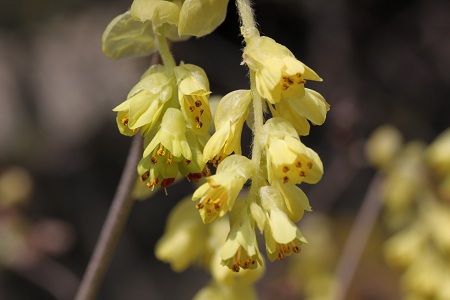
Ume : Japanese apricot

 Yushima Tenjin
Yushima Tenmangu is a Shinto shrine commonly called Yushima Tenjin. This shrine was established in 458 A.D.

About Yushima Tenjin

Yushima Tenjin is famous for Ume blossoms.


 The cherry trees will be in full bloom soon.
Sakura : Cherry blossoms
 Japanese like cherry blossoms so much!


Now we can see various flowers at every park in Tokyo.


This is Ueno park.
You see various flowers at every park.
2 years have passed since Fukushima Dai-ichi nuclear power plant accident, I could not find any impacts by the accident among animals. Furthermore I could not find any deformity among flowers or plants in Tokyo. As far as I know, nobody has health problem which is caused by the accident in Tokyo. So people in Tokyo have already forgotten the nuclear power plant accident because Tokyo is very far away from the site. They have no concern about the accident because there is no nuclear power plant in Tokyo and radioactive materials could not reach here.

I continue to visit various places to see the effects of the accident because we can see many kinds of creatures which are sensitive to radioactive materials from the environment. It is important to see their health for our safety.


Public Health Network in Japan


2013年3月9日土曜日

Biological monitoring in Tokyo (March 10, 2013)

Biological monitoring at Epson Aqua Stadium.

I visit Epson Aqua Stadium many times every year. Because I can see various marine creatures there and it is fun to meet them. I have reported that on September 24, 2012. (http://phnetwork.blogspot.jp/2012/09/biological-monitoring-in-tokyo-japan_24.html) So this is the 2nd time to show you that. Epson Aqua Stadium show us not only Tropical fish of every color but also we can enjoy amazing Dolphin show and Sea Lion show. Sea animals eat lots of marine products every day. So I think they are more sensitive to radioactive materials of the environment than us.
So I go there to see effects of Fukushima Dai-ichi nuclear power plant accident. Though I have never found any impact of the accident, I think it is important to see creatures of Tokyo because they teach us the environmental health.

Posted by Yoshitaka Kiriake from Japan on March 10, 2013.


福島第一原発事故による影響を見るため各地の水族館を訪問している。エプソン品川アクアスタジアムでは世界中の魚類が展示されており、イルカやアシカの素晴らしい演技も楽しめる。彼らは日本の魚介類を食べているが事故による影響は無さそうだ。


The entrance of Epson Aqua Stadium.
5 minutes walk from Takanawa Exit of Shinagawa Station.
 
 
 Large fish are swimming over my head.
 
 
Dolphins are clever. 
 Their performance fascinated the audience.
 
 
Dolphin surfing
The man is standing on the head of dolphin
They jump at the same time.
 
 
What an excellent performance it is!
 
 
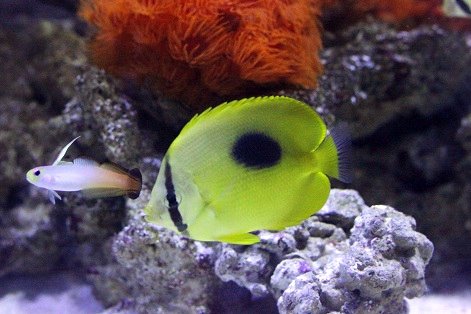
I could see various fish of the world.
 
 
I could see penguins swimming in the water as if they were flying in the air.


 I like Japanese food.
 
 Takoyaki : octopus dumplings
Udon with Ebiten : thick Japanese wheat noodles with prawns deep‐fried in batter
Though 2 years have passed scince Fukushima Dai-ichi nuclear power plant accident, I could not find any impacts by the accident. As far as I know, nobody has health problem which was caused by the accident in Tokyo. So people in Tokyo have already forgot the nuclear power plant accident because Tokyo is very far away from the site, there are no nuclear power plant in Tokyo and radioactive materials could not reach here.

I continue to visit aquariums and zoos to see the effects of the accident because we can see many kinds of creatures which are sensitive to radioactive materials from the environment. It is important to see their health for our safety.


Public Health Network in Japan