2016年7月5日火曜日

Asahiyama zoo, Hokkaido

Asahiyama Zoo is a very popular zoological garden just outside of central Asahikawa City in the middle of Hokkaido where the annual temperature gap reaches almost 70°C. It is Japan’s farthest northern zoo — visited by 3 million people per year. Located in the very north of Japan, Asahiyama Zoo is home to 800 animals of 124 different species. A zoo featuring fascinating exhibits showing the behavior of the animals in their natural habitats. They lies in the enclosures which allow visitors to observe the animals from various angles, many of which are unique to Asahiyama Zoo. Animals on display include native wildlife from Hokkaido, including deer, eagles, cranes and (now extinct) wolves, as well as various animals from across the world, such as polar bears, apes, big cats and giraffes. Their daily feeding time is also a must-see. (source)


北海道旭川市にある旭山動物園では巨大な水槽で泳ぐカバを観察することが出来ます。動物の子供たちもたくさん生まれています。

Hippopotamus
Hippopotamus amphibious
カバ
Hippopotamus amphibious
We can see Hippopotamus swimming in a large tank.

 Asahiyama zoo
 Asahiyama zoo

Google map

About Asahiyama zoo

About Asahiyama zoo
japan-guide.com

Zoo Map

Asahiyama zoo
 Asahiyama zoo

Polar Bear
Ursus maritimus
ホッキョクグマ
Ursus maritimus

Black Swan
ブラックスワン
Black Swan

Snow goose
Anser caerulescens
ハクガン
Anser caerulescens

Gentoo penguin
Pygoscelis papua
ジェンツーペンギン
Pygoscelis papua

King Penguin
Aptenodytes patagonicus
オウサマペンギン
Aptenodytes patagonicus
An underwater glass tunnel lets visitors observe the birds as they fly through the water.

Ezo Brown Bear
Ursus arctos yesoensis
エゾヒグマ
Ursus arctos yesoensis

Neofelis nebulosa
Clouded leopard
ウンピョウ
Clouded leopard

Mountain Hawk-eagle
Nisaetus nipalensis orientalis
クマタカ
Nisaetus nipalensis orientalis

Great spotted woodpecker
Dendrocopos major
アカゲラ
Dendrocopos major

Mountain hare
Lepus timidus ainu
エゾユキウサギ
Lepus timidus ainu

Raccoon
Procyon lotor
アライグマ
Procyon lotor

Chimpanzee
Pan troglodytes
チンパンジー
Pan troglodytes

ring-tailed lemur
Lemur catta
ワオキツネザル
Lemur catta

Abyssinian colobus
Colobus guereza
アビシニア コロブス
Colobus guereza
Colobus guereza


Pongo pygmaeus pygmaeus
orang-utan
ボルネオオランウータン
orang-utan

White-handed Gibbon
Hylobates lar
シロテテナガザル
Hylobates lar

Black-handed spider monkey
Ateles geoffroyi
ジェフロイクモザル
Ateles geoffroyi

Raccoon Dog
Nyctereutes procyonoides albus
エゾタヌキ
Nyctereutes procyonoides albus

Suffolk
サフォーク
Suffolk

Ostrich
Struthio camelus ssp.
ダチョウ
Struthio camelus ssp.

reticulated giraffe
Giraffa camelopardalis reticulata
アミメキリン
Giraffa camelopardalis reticulata

Spotted Seal
Phoca largha
ゴマフアザラシ
Phoca largha

Amur Leopard
Panthera pardus orientalis
アムールヒョウ
Leopard


Black Leopard
Panthera pardus var
ヒョウ(黒変種)
Panthera pardus var

Snow Leopard
Panthera uncia
ユキヒョウ
Panthera uncia

Lion
Panthera leo
ライオン
Lion

Amur tiger
Panthera tigris altaica
アムールトラ
Panthera tigris altaica

Styan's red panda, Lesser panda
Ailurus fulgens styani
シンセンレッサーパンダ
Ailurus fulgens styani

Polar Fox
Alopex lagopus
ホッキョクギツネ
Alopex lagopus

Red fox
Vulpes vulpes schrencki
キタキツネ
Vulpes vulpes schrencki

Coho salmon, Silver salmon
Oncorhynchus kisutch
ギンザケ
Oncorhynchus kisutch


Japanese foods are good and safe.
Because of stricter food safety law by Japanese government, we have no worry about foods.


Soft cream
ソフトクリーム
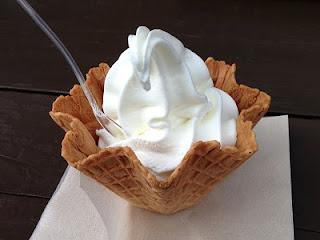
Soft cream

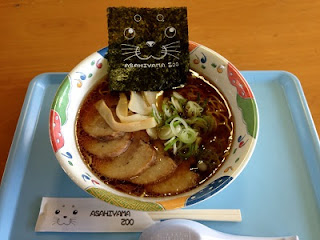
Chashu-men
Braised Pork Ramen
チャーシューメン
Braised Pork Ramen

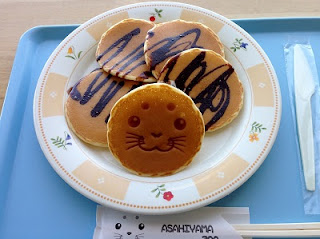
Pancake
パンケーキ
Pancake

Oyster
カキ
Oyster

Sashimi
刺身
Sashimi

Sushi
寿司
Sushi

Sukiyaki
すき焼き
Sukiyaki

Beef Steak
ビーフステーキ
Beef Steak


 5 years have passed since Fukushima Daiichi nuclear power plant accident. I have visited various places of Japan to see the health consequence of the accident.
 Fortunately I have never found any impacts by the nuclear power plant accident among Japanese creatures. As far as I know, nobody has health problem which is caused by the accident in Japan.
 Our Prime Minister Abe assures that "The situation is under control. The influence of the contaminated water is completely blocked within Fukushima. There are no health-related problems until now and there will never be health problems." He also said that "Tokyo is 250 kilometers away from Fukushima, and the kind of danger that you imagine does not exist in Tokyo. Tokyo is a very safe city."
 As PM Abe said, Hokkaido is very far away from Fukushima, people in Hokkaido have no concern about the nuclear power plant accident. People in Hokkaido have already forgotten the accident, because they think radioactive materials cannot reach there.
 We know there is no problem for childbirth and child rearing in Hokkaido. So people in Hokkaido are living without any concern about the nuclear power plant accident.
 I continue to visit various places in Japan to see the effects of the accident, because I can meet various creatures which are more sensitive to radioactive materials from the environment. It is important to see their health for our safety.


Public Health Network in Japan
公衆衛生ネットワーク
Public Health Network in Japan


2016年6月26日日曜日

Sea Life Sydney Aquarium

Sea Life Sydney Aquarium

SEA LIFE Sydney Aquarium is located on the city side of Darling Harbour, in the heart of Sydney. No trip to Sydney is complete without visiting SEA LIFE Sydney Aquarium. SEA LIFE Sydney Aquarium houses over 12,000 animals from 650 species, including sharks, dugongs, turtles, stingrays, penguins, tropical fish and much, much more. As Sydney's leading family and tourist attraction, SEA LIFE Sydney Aquarium offers entertainment for young and old alike. Walk underwater through over 100 metres of glass viewing tunnels and see Australia's marine life like never before! Come within inches of huge sharks, rays and turtles and see some of the remarkable marine and freshwater animals that Australia is famous for, such as the platypus, barramundi and Little Penguins. As you walk around SEA LIFE Sydney Aquarium you'll be taken on a journey through Australia's wide and varied aquatic habitats (source).


シー・ライフ・シドニー水族館には水中生物の宝庫であるオーストラリアの生物を中心に650種、12000匹の世界最大を誇るコレクションがあります。ここを訪れずにシドニーの旅は語れません。


Dugong
Dugongs are also known as sea cows as they grow up to 600kg and eat a lot of seagrass.
ジュゴン
Dugong

SEA LIFE Sydney Aquarium
シー・ライフ・シドニー水族館
SEA LIFE Sydney Aquarium
About SEA LIFE Sydney Aquarium

Google map

glass viewing tunnels
約100mのガラストンネル
SEA LIFE Sydney Aquarium

SEA LIFE Sydney Aquarium


Grey Nurse Shark
Carcharias taurus
シロワニ
Carcharias taurus

Sicklefin Lemon Shark
Negaprion acutidens
レモンザメ
Negaprion acutidens

Estuary Glassfish
Ambassis marianus
Ambassis marianus

Eastern Hulafish
Trachinops taeniatus

Upside Down Sea Jelly
Cassiopea species
Cassiopea species

Sun Coral
Tubastraea coccinea
Tubastraea coccinea

Peacock Mantis Shrimp
Odontodactylus scyllarus

Lungfish (albino)
肺魚
Lungfish (albino)

Flowerpot Coral
Goniopora sp.
Goniopora sp.

Green Star Coral
Pachyclavularia sp.
Pachyclavularia sp.

Silver Lined Mudskippers
Periophthalmus argentilineatus

Freshwater Longtom
Strongylura krefftii

Spotted Gar
Lepisosteus oculatus

Stripey
Microcanthus strigatus

Sea Mullet
Mugil cephalus
Mugil cephalus

Tarwhine
Rhabdosargus sarba
Rhabdosargus sarba

Eastern pomfret
Schuettea scalaripinnis

Black Cod
Epinephelus daemelii

Copperband butterflyfish
Chelmon rostratus
Chelmon rostratus

Banggai cardinalfish
Pterapogon kauderni
Pterapogon kauderni

Clownfish
Amphiprion percula
Amphiprion percula

Blue devilfish
Assessor macneilli
Assessor macneilli

Sawfish
Sawfish

Queen Victoria Building


Australian food is safe and good.

sushi
sushi

fruits
fruits

fruits
fruits

dinner
dinner


 About 5 years have passed since Fukushima Daiichi nuclear power plant accident. I have visited various places of Japan to see the health consequence of the accident.
 Fortunately I have never found any impacts by the accident among Japanese creatures. As far as I know, nobody has health problem which is caused by the accident in Japan.
 Our Prime Minister Abe assures that "The situation is under control. The influence of the contaminated water is completely blocked within Fukushima. There are no health-related problems until now and there will never be health problems." He also said that "Tokyo is 250 kilometers away from Fukushima, and the kind of danger that you imagine does not exist in Tokyo. Tokyo is a very safe city."
 As PM Abe said, Australia is very far away from Fukushima too, Aussie have no concern about the nuclear power plant accident. Aussie have already forgotten the Fukushima Daiichi nuclear power plant accident, because they think radioactive materials cannot reach there.
 We know there is no problem for childbirth and child rearing in Australia. So Australian people are living without any concern about the accident. I continue to visit various places in the world to see the effects of the accident, because I can meet various creatures which are more sensitive to radioactive materials from the environment. It is important to see their health for our safety.


Public Health Network in Japan
公衆衛生ネットワーク
Public Health Network in Japan