2013年7月3日水曜日

Biological monitoring in Kanagawa (July 3, 2013)

Biological monitoring at YOKOHAMA HAKKEIJIMA SEA PARADISE
 
I visited YOKOHAMA HAKKEIJIMA SEA PARADISE to see biological impacts of Fukushima Daiichi nuclear power plant accident. Though I have visited various places in Japan to see the health consequence of the accident, I can find no effect against creatures in Japan.
There are over 500 different varieties of fish with more than 100,000 sea creatures there. It is one of the largest Aquariums in Japan. There is an immense three-story aquarium filled with thousands of tropical and fresh water fish. You can even enjoy fishing horse mackerel. Furthermore we can cook and eat them inside the facility.
Generally speaking, fish's growth is so fast than human beings that they are more sensitive to radioactive materials of the environment than us.
So I visited the aquarium to see effects of the accident against creatures which are living in Japan.
Fortunately, I could see them grown up safely and I couldn't find any impact of the accident. It seems that there is no problem for childbirth and child-rearing in Kanagawa Japan.
Posted by Yoshitaka Kiriake from Japan on July 3, 2013.


神奈川県の八景島シーパラダイスで珍しい白ナマコや黄金のヒラメを見てきた。うみファームでは釣ったアジをフライにして食べることが出来る。とても美味しかった。


sea cucumber (albino)
Have you ever seen that?
白いナマコ(アルビノ)
 
 
Golden flounder
It seems that luck of pigments causes the color.
黄金のヒラメ(色彩変異)


 YOKOHAMA HAKKEIJIMA SEA PARADISE is a leisure land surrounded by nature.
About SEA PARADISE
Access


We can enjoy fishing horse mackerel at UMI FARM. 
We can cook and taste them too.
I caught five horse mackerel.
horse mackerel
I ordered to cook them deep fried.
I ate them there. It was good!  
 
 
 Hawaiian fish
 
 
Japanese fish
 
 
There are various marine animals.
 
 
We can enjoy marine animal show.


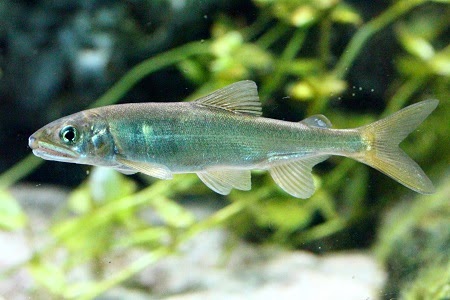
We can see various fish of Japan.
 
2 years have passed since Fukushima Daiichi nuclear power plant accident. I have visited various places of Japan to see the health consequence of the accident. Fortunately I have never found any impacts by the accident among Japanese creatures. As far as I know, nobody has health problem which is caused by the accident in Japan.
So people in Kanagawa have already forgotten the nuclear power plant accident too. Because Kanagawa prefecture is very far away from the site and radioactive materials cannot reach there. We know there is no problem for child birth and child rearing there. So people in Kanagawa prefecture are living without any concern about the accident.
I continue to visit various places in the world to see the effects of the accident, because I can meet various creatures which are more sensitive to radioactive materials from the environment. It is important to see their health for our safety.


Public Health Network in Japan

2013年6月26日水曜日

Biological monitoring in Tokyo (June 26, 2013)

Biological monitoring at Sunshine Aquarium (June 26, 2013)
 
I visited Sunshine Aquarium to see biological impacts of Fukushima Daiichi nuclear power plant accident. Though I have visited various places in Japan to see the health consequence of the accident, I can find no effect against creatures in Japan.
The Sunshine Aquarium was reopened in 2011 as a state-of-the-art metropolitan aquarium. Designed as an “Oasis in the Sky,” the aquarium features popular attractions such as the “Sunshine Aqua Ring” with its view of sea lions swimming overhead and the dreamlike “Jellyfish Tunnel.” You can also enjoy performances by sea lions and underwater divers, as well as sea otter and penguin feeding shows. 
Generally speaking, animal's growth is so fast than human beings that they are more sensitive to radioactive materials of the environment than us.
So I visited the aquarium to see effects of the accident against creatures which are living in Japan.
Fortunately, I could see them grown up safely and I couldn't find any impact of the accident. It seems that there is no problem for childbirth and child-rearing in Tokyo Japan.
Posted by Yoshitaka Kiriake from Japan on June 26, 2013.


東京池袋にあるサンシャイン水族館ではコメツカワウソの赤ちゃんが誕生していた。この水族館では氷の妖精と呼ばれるクリオネなど貴重な海洋生物が展示されており、アシカのショーも見ることが出来る。


Asian small-clawed otter had new babies on April 22, 2013. 
This baby otter is 8 months old.
 
 
We can meet rare creatures there.
 
Have you ever seen Sea angel?
Sea angel is a genus of small floating sea slugs also sometimes known as "cliones".
About Sea angel
 
 
Sunshine Aquarium is located in Sunshine city which is next to Sunshine 60.
About Sunshine city
 
 We can see various fish which are living in Japan.

Japanese river fish

Fish from cold sea
 
Fish around Japan
Broadclub cuttlefish
 
Fish of okinawa sea
 
We can see African river fish too.
  
 There are marine animals.
 
We can meet foreign reptiles too.
Golden poison frog
 Green and black poison frog
2 years have passed since Fukushima Daiichi nuclear power plant accident. I have visited various places of Japan to see the health consequence of the accident. Fortunately I have never found any impacts by the accident among Japanese creatures. As far as I know, nobody has health problem which is caused by the accident in Japan.
So people in Tokyo have already forgotten the nuclear power plant accident too. Because Tokyo is very far away from the site and radioactive materials cannot reach there. We know there is no problem for child birth and child rearing in Tokyo. So people in Tokyo are living without any concern about the accident.
I continue to visit various places in the Japan to see the effects of the accident, because I can meet various creatures which are more sensitive to radioactive materials from the environment. It is important to see their health for our safety.


Public Health Network in Japan